

November 20, 2025
Exploring a New Side of Self-Identity
Living in one place for a long while can hinder self-discovery.
‘You have stress, I have stress!’ is a famous quote in Hong Kong that reflects how Hong Kong workers endure long and harsh working hours. Hong Kong has a unique work culture, and that is the OT (overtime) culture. A 2025 study from the Hong Kong Occupational Safety and Health Council found that 41.2% of Hong Kong people suffer from ‘high work stress’. Under such work environment, this raises for me a question: Does Hong Kong still have the space for cultural exchange?
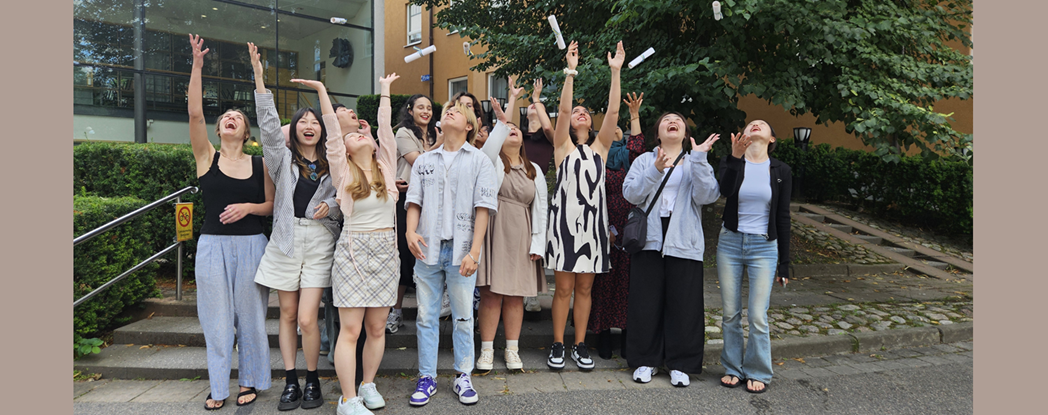
As an enthusiastic student of history and culture, I had the opportunity to go on a summer exchange to Sweden to experience different new forms of culture. My intention for this exchange was to find out the new side of myself. Exploring different aspects of ourselves can help us step out of our comfort zone and challenge ourselves more. Also, I hoped to leave my hometown for a short period to appreciate different cultures beyond just sitting in the classroom. So, Sweden is my first destination on the journey of self-discovery and cultural appreciation.
The Definition of Cultural Appreciation
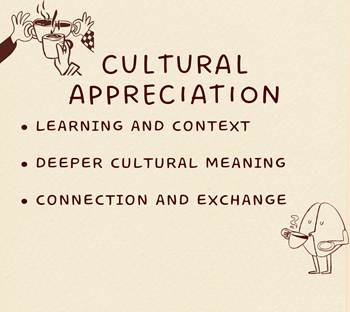
In my minor in cultural studies, one of the concepts I learned was ‘cultural appreciation’, meaning that we can learn about new cultures by understanding history, context, and deeper cultural meaning behind practices, rather than just their aesthetics. At the same time, we can reach connection and exchange by fostering cross-cultural understanding and building meaningful connections between people from different backgrounds. This concept can help us to understand more about Swedish culture.
The Background of Sweden
Sweden is a Nordic country located on the Scandinavian Peninsula in Northern Europe. When people refer to the northern part of Europe, it usually includes Sweden, Finland, Norway, Denmark, Iceland. These five countries are rich in history and cultural exchange. However, one of the afternoon tea cultures is unique to Sweden. This special culture is fika.
Learning and Context: Fika in a Lesson?
During the exchange, I took a course about the history of comics. In the lesson, there were a lot of reading materials. The instructor asked students to read before class and requested us to discuss. This practice is the same in Hong Kong. However, there was an interesting learning experience. Can you imagine a free discussion in the lesson? The instructor formed groups randomly with the classmates and required us to go outside the classroom and find a space to discuss the readings. The instructor did not monitor us, and he let us have afternoon tea and grab some snacks during the discussion. He told us that this is a unique and traditional custom in Sweden called ‘fika’.
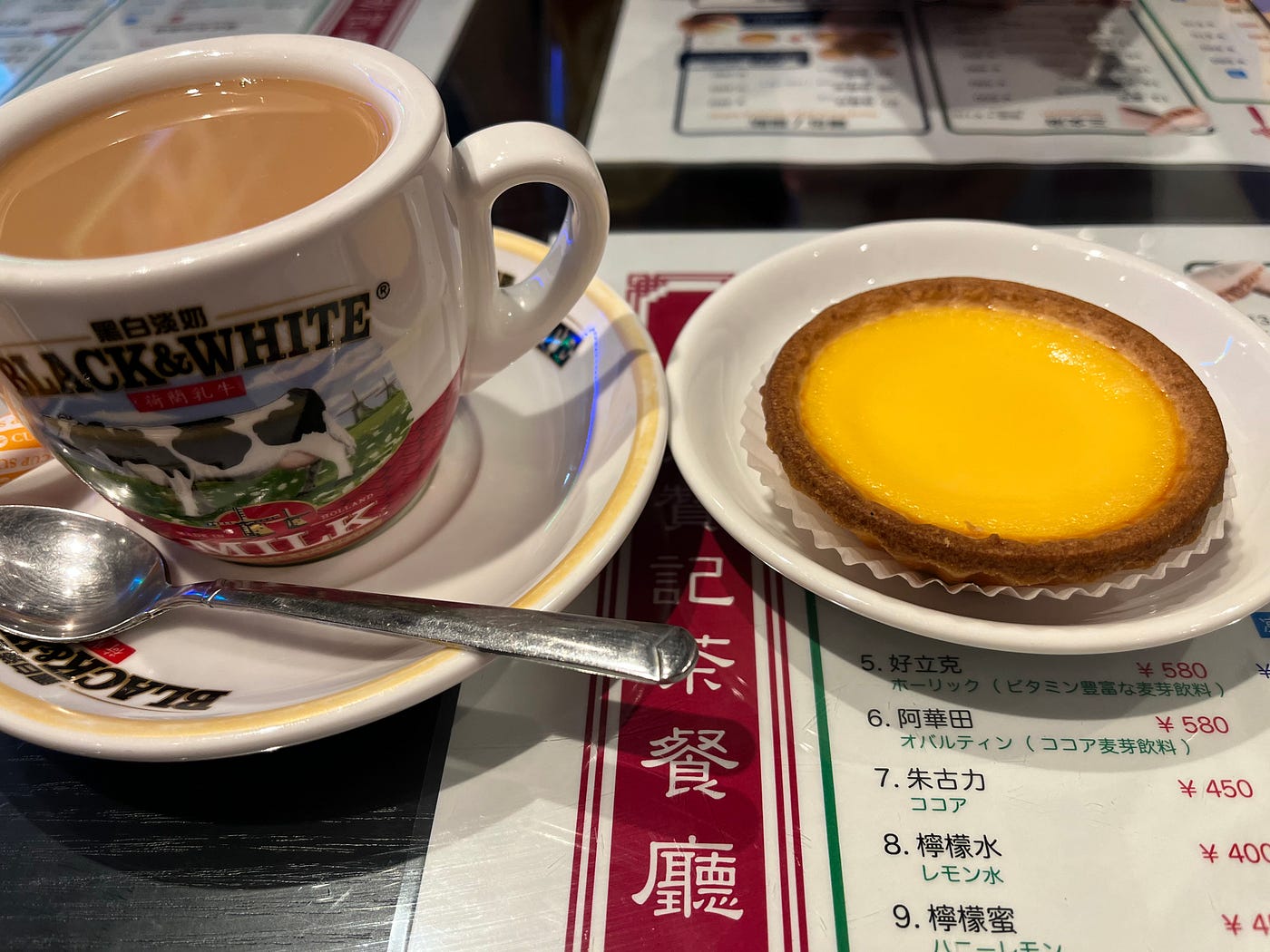
I was surprised! In Hong Kong, a tradition of afternoon tea was inherited from English culture, from the time Hong Kong was a British colony. Afternoon tea in Hong Kong is typically served between around 3 to 5pm, often combines British and Cantonese food, and is more like what is known as high tea in England. However, most Hong Kong workers would define teatime as a kind of ‘wasting time’.
Aside from the chill afternoon teatime, I was struck by the strong relationships among the people. In Hong Kong, workers do not usually have any tea breaks during working hours, while students must concentrate on their lessons, with instructors monitoring their behaviour. But in Sweden, most of the companies practice fika, and allow their employees to enjoy the teatime. Fika culture demonstrates a trust relationship among people, which I truly appreciate.
Fika Like a Swede
In my first impression, fika is only a Swedish afternoon tea culture. People enjoy some snacks and tea or coffee at this teatime, then go back to work again until the end of their workday. It is common to see similar traditions of designated tea times in different countries. However, fika in Sweden is probably totally different and new to you and me.
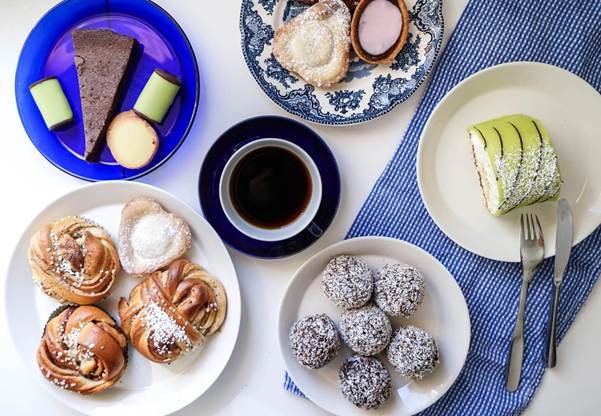
The history of fika is long and interesting. The term ‘fika’ is thought to come from a gentle twist of the syllables in ‘kaffi’, the old spelling of coffee, which we now know as ‘kaffe’ in Swedish. Coffee itself was introduced to Sweden in the 17th century, and many people believe that coffee is the real fika in the culture of traditional teatime. Over the decades, fika became not only about drinking coffee but also about serving different baked treats.
Having a cup of tea or coffee and some bakery items are the important elements in fika, along with the social aspect of the custom. However, the cultural significance of fika has a meaningful element. That is the moment to pause, recharge, and connect to our family and friends. Fika is about slowing down and taking a genuine break. It is a laidback moment for people to communicate with their peers. In Sweden, fika breaks in a company are often scheduled into the day, and some even have two! Do you admire this relaxing afternoon tea culture?
Connection and Exchange: Fika with Friends!
Fika time not only provides an opportunity for people to connect but also allows us to share new and interesting cultures with our friends. One of my classmates, Valentina, is an Italian but lives in Switzerland. She shared with us the special Italian dining practice, which surprised me! In Valentina’s family tradition, they will spend a whole day eating, and they call it ‘a full day of eating’. This eating pattern reflects Italian focus on meals as an important part of the culture. This cultural practice shocked me greatly, as it would never happen in Hong Kong. People in Hong Kong eat as quickly as possible because they need to get back to work. When I share the Hong Kong eating pattern with Valentina, she also feels surprised. Fika time brings us to cultural exchange.
During discussion, our instructor encouraged us to enjoy fika time. My classmates all come from different countries with different nationalities. So, in the tutorial session, we not only talked about the reading material but also chatted to each other about the unique culture in our home country.
In this moment, there was nothing that divided us; fika time brought us together as one. In the first week, my classmates and I enjoyed the most famous fika food during the tutorial, and that was cinnamon bun. It tastes sweet with the good smell of cinnamon. In the next week, some of our classmates suggested that we share food from our home countries. We shared Italian cheese risotto, Chinese dumplings, egg tart from Hong Kong, British fish and chips, and rice cake, tteokbokki, from Korea. The moment of sharing food showed me that it can connect people! This is why the Swedish value fika, as it is a precious time for people to come together.
Can We Practice Cultural Appreciation in Our Daily Life?
Throughout the exchange, this is a wonderful journey for me to learn about different cultures. Meeting new friends with different heritage is a one of a kind opportunity, and this inspires me one thought:
‘The beauty of the world lies in the diversity of its people.’
As a Hong Kong citizen, we often forget to rest and observe our surroundings. In my hometown, there are a lot of diverse cultures that I often overlook. However, the exchange journey in Sweden reminds me that finding diverse culture is an interesting process for self-discovery. For me, I find out that I enjoy sharing new cultures with others and listening to different people’s stories. This contributes to reflecting on myself. However, it seems difficult for people to learn about new cultures. So, how can they practise cultural appreciation in daily life?
Practising cultural appreciation in daily life is not difficult. Just like fika, this unique afternoon tea culture is one of the cultures that everyone could learn and appreciate. Unwinding ourselves and having a break is the chance for us to connect to each other. Fika shapes a group of people with diverse languages, ages, and nationalities, and this is favourable for people to get along with each other.
The story of Cultural Infusion has the same understanding as fika. Our company infuses cultures, same as when a tea bag infuses hot water with tea. When we take a break and enjoy this fruitful ‘tea’, this creates a space for us to find out what we are experiencing in our society. When people are willing to take a break and communicate with others, they can find a lot of interesting cultural customs to observe and appreciate.
Let’s fika!
Want more from this traveller/writer? Read Shadow’s previous posts for the Cultural Infusion blog, ‘Commoning Can Be Common: A Fascinating Story on Jeju Island‘ and ‘Finding Unity in Cultural Diversity: 1 Inspiring Week in Thailand’!
Interested in technodiversity? Visit our Atlas blog.
About the author:
Share this Post