

March 30, 2026
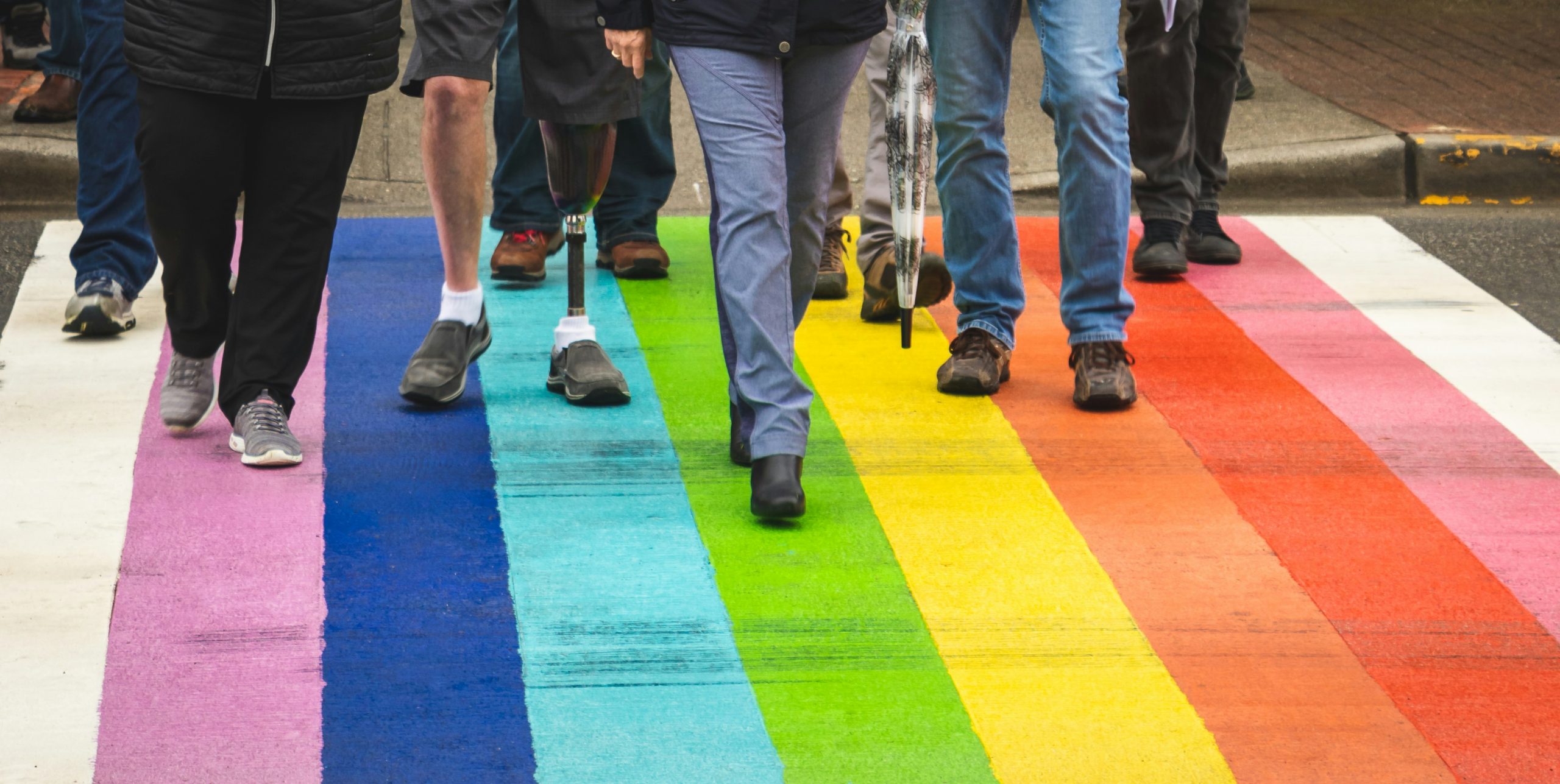
Meritocracy sounds like justice: the right people in the right roles, right? But an uneven playing field often raises people not through merit but through favoured attributes. This article was first published in the Canberra Times on 27 January 2025 and is republished here with permission.
On his first day back in the White House, President Donald Trump targeted diversity, equity, and inclusion (DEI) programs, calling instead for ‘a society that is colorblind and merit-based.’ Meritocracy sounds great, but how do we get there?
‘The injection of “diversity, equity, and inclusion” (DEI) into our institutions has corrupted them by replacing hard work, merit, and equality with a divisive and dangerous preferential hierarchy,’ reads the 20 January 2025 Initial Rescissions of Harmful Executive Orders and Action from the White House.
The orders revoked by the White House include a slew of measures to promote equity and counter discrimination for the following communities: Asian Americans, Native Hawaiians, Pacific Islanders, Hispanics, Black Americans, ‘Underserved’, Lesbian, Gay, Bisexual, Transgender, Queer and Intersex. These orders to ‘end Federal implementation of unlawful and radical DEI ideology’ further inflame an already heated discourse around DEI.
Backlash, DEI Adherents and the Third Way
While civil rights groups, such as the Human Rights Campaign, vowed to ‘fight back’ against these measures, major corporations like Apple, Adobe, and PepsiCo remain committed to DEI.
However, there’s a third position that rarely gets aired: those of us who work to foster genuine cultures of inclusion have been frustrated by what we’ve witnessed in the DEI field for many years and are not shocked or dismayed by the White House stance. As Inclusion Strategist and friend Amri B. Johnson wrote two days before Trump signed these orders, ‘DEI as I knew it died years ago.’
From Intersectionality to Meritocracy
To succeed, DEI must address the complexity of human identity holistically. Australian philosopher Elizabeth Grosz critiqued intersectionality as a ‘gridlock system’ that treats identity attributes as fixed categories. A reductive approach prevalent in DEI has led to rigid, divisive frameworks and created a binary: are you the oppressed or the oppressor?
Intersectionality, first articulated by Kimberlé Crenshaw, highlights how power imbalances affect people differently based on their interconnected identities. However, when misapplied, it can reinforce rigid categories, overlooking the complexity of lived experiences.
Intersectionality theory is a key analytical tool within critical race theory (CRT), which Trump vowed to combat on his official campaign platform. CRT is a framework suggesting that racial bias is deeply embedded in many aspects of Western society, particularly its legal and social systems, as they were largely designed by and for ‘white’ people. When it overlaps with lntersectionality Theory, it can reinforce rigid categorisations and perpetuate discrimination, bias, and division. For example, a ‘white’ person born and still living in poverty in a caravan park may be labelled an ‘oppressor’, with all other aspects of their social and cultural identity overlooked. Your ‘white’ supermarket cashier does not have the same level of privilege as the Queen of England.
Good but poorly executed intentions of DEI practitioners have led to the ‘DEI must DIE’ pushback. Too often, we have seen DEI measures and programs to address exclusion and inequity focus solely on just one or two broad aspects of identity, such as gender and/or ‘race’, and we’ve seen the unfair consequences of this in how it has favoured those in these groups who are closest in proximity to the hegemony.
DEI done badly had done untold damage, and this includes any DEI strategy that lacks nuance and fails to bring everyone along.
Measures to promote equity and counter discrimination for ‘Asian Americans’, for example, may be well meaning, but I have written extensively about the harm done by homogenising categories like ‘Asian American’, which elide important distinctions between people within these groups.
These broad categories can help empower marginalised people through collective advocacy but they also often lead to offensive stereotypes, polarisation, othering and social division. As historian Patrick Wolfe wrote in his 2016 book Traces of History: Elementary Structures of Race, ‘Paradoxical as it may seem, to homogenise is to divide.’
Being coded Asian (or any other broad, homogenising label) can for some people mean feeling put in a box that they had no say over and for others can mean policing the box’s borders (from within or without) with extreme vigilance, including violence.
The damaging ways the ‘model minority’ stereotype plays out for many Asian Americans has been widely written about, as per Viet Thanh Nguyenin Time: ‘Unlike the engineers and doctors who mostly came from Hong Kong, Taiwan, China and India – the model minority in the American imagination – many Hmong refugees arrived from a rural life in Laos devastated by war.’ Nguyen quotes Christian minister Ashley Gaozong Bauer of Hmong descent: ‘When have Asian Americans shared in the pain and suffering of the Hmong refugee narrative and threats of deportation?’
The White House may believe repealing these orders solves a problem, but how do we create a meritocracy where everyone feels valued for who they truly are? This is the real challenge.
Originally published in The Canberra Times. Read the original article here.
Read ‘Democratised Datasets: Valuing People for Who They Are’ by Peter Mousaferiadis here.
Read ‘Multicultural Framework Falters Towards Fairness’ by Peter Mousaferiadis here.
Read US President Donald Trump’s 26 March 2026 Executive Oder ‘ADDRESSING DEI DISCRIMINATION BY FEDERAL CONTRACTORS’ here.
About the author:
Share this Post